Conversational Content
At Wolfram|Alpha, I was responsible for defining and carrying out initiatives to improve Conversational Content, which supplied Spoken Results for voice applications like Siri and Alexa.
Giving the Machine a Voice
Wolfram|Alpha works by converting natural language questions into Wolfram Language code and then computing the result. I used a combination of machine code and human language to turn the results into speakable text called Spoken Results. These were delivered to customers via the Spoken Results API.
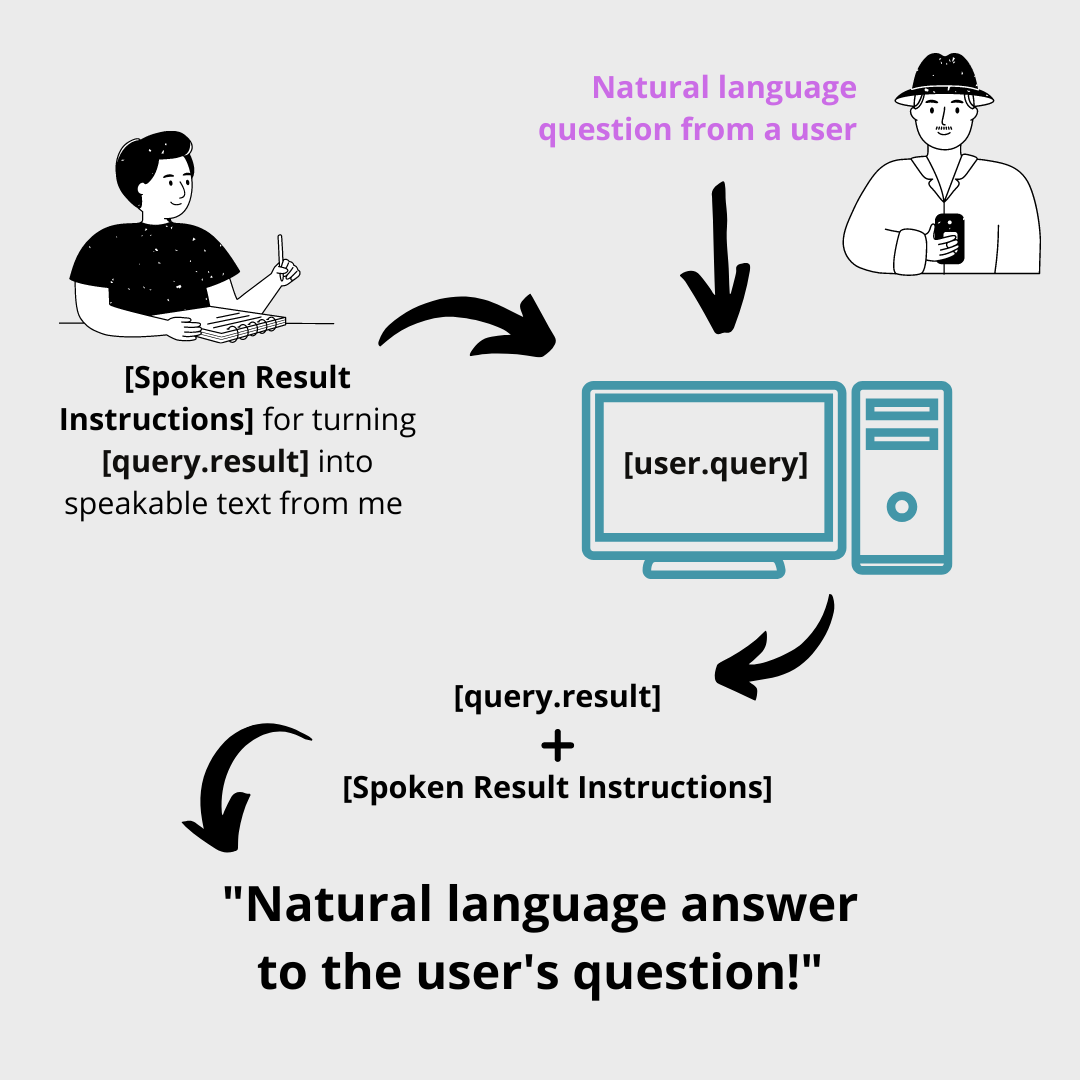
The examples below highlight my contributions to the style and design philosophy of the Spoken Results project as a whole.
Incorporating User Language
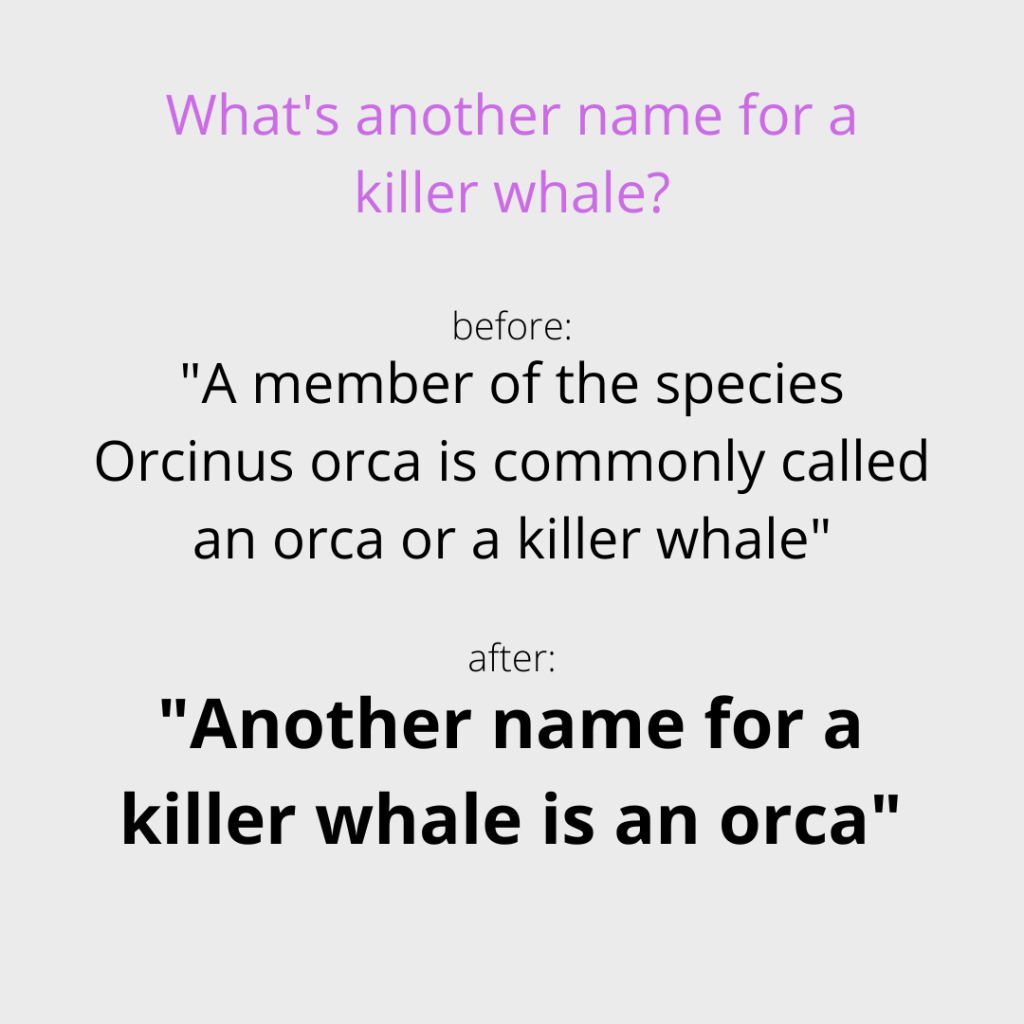
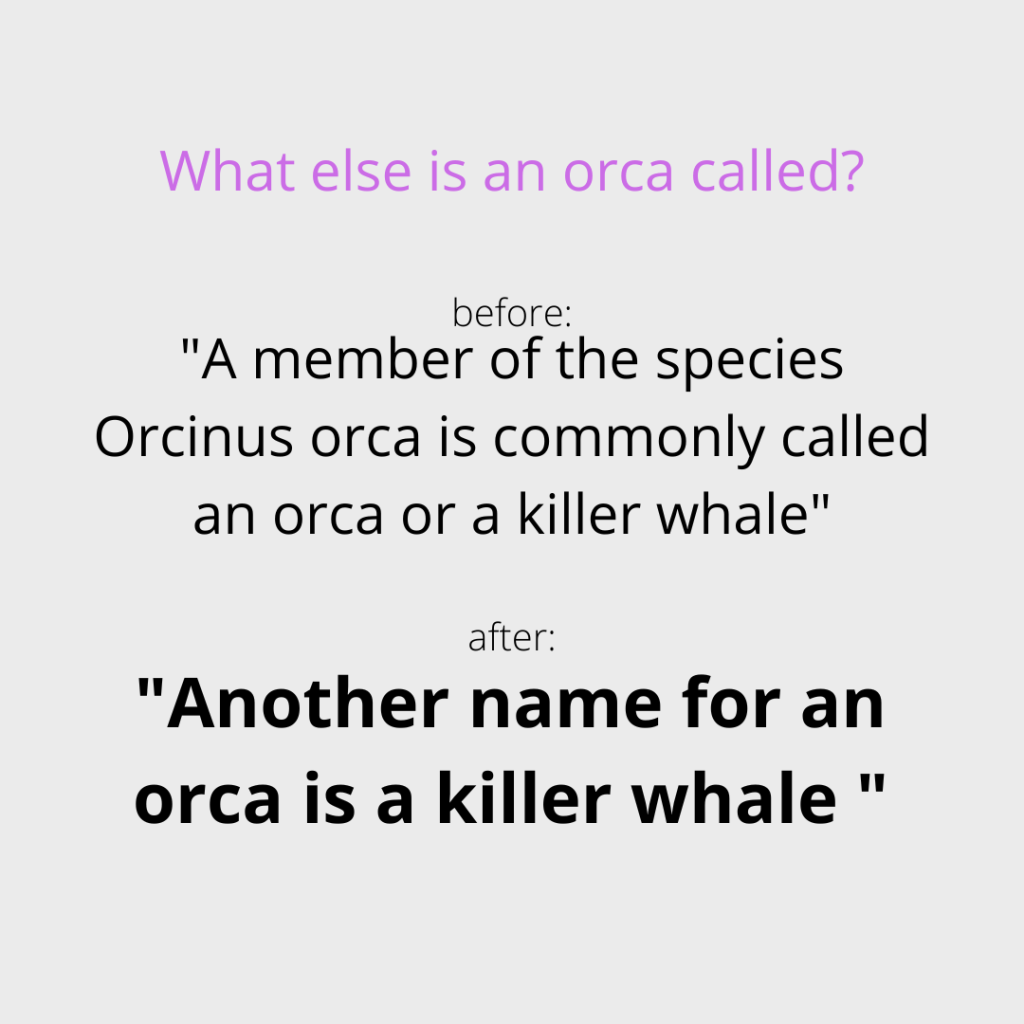
I am an enthusiastic advocate for users. I’m always looking for ways to improve their experiences. One of the best ways to do this in written and spoken content is to reflect a user’s language preferences whenever possible. I implemented an option to override the default subject names, so that we could personalize the result with the user’s own language.
Reflecting a user’s language reassures the user’s that the platform is functioning correctly and eliminates an opportunity for misunderstanding.
Automating Correctness
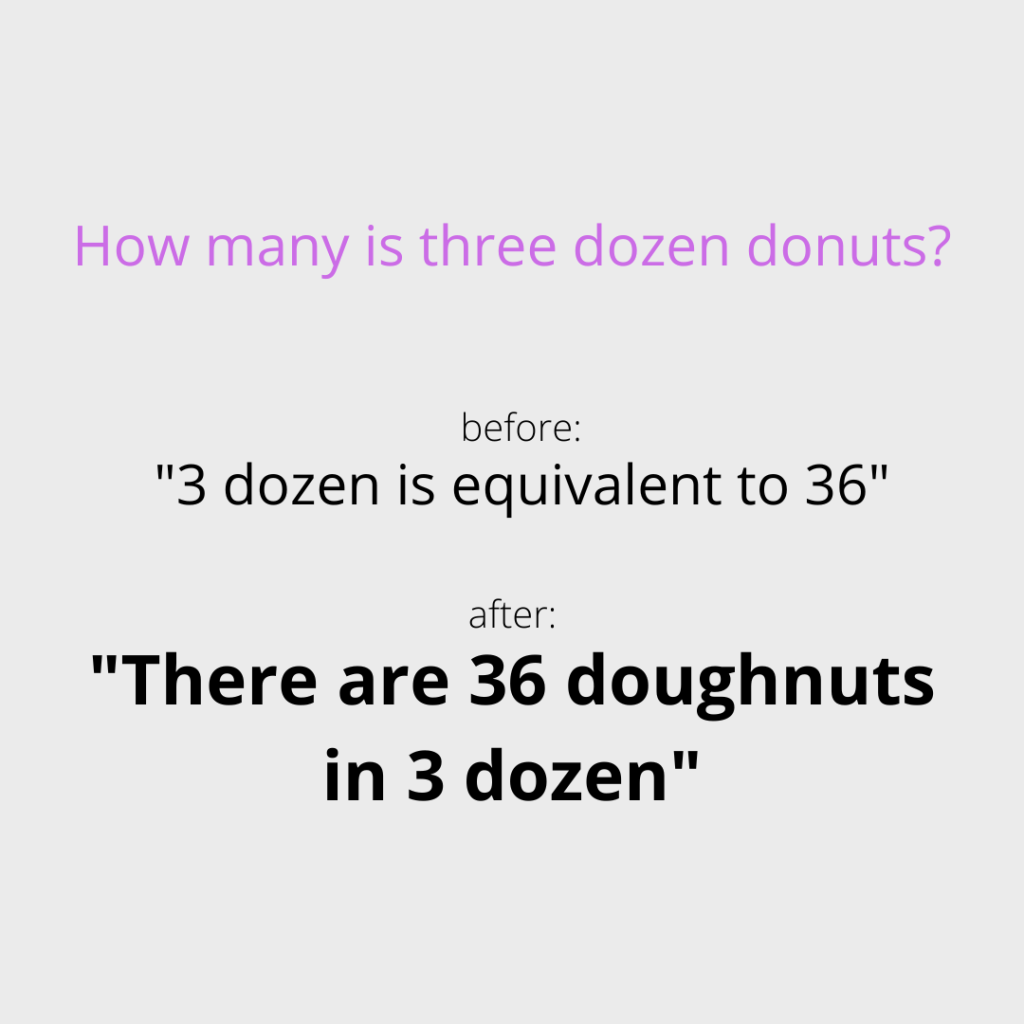
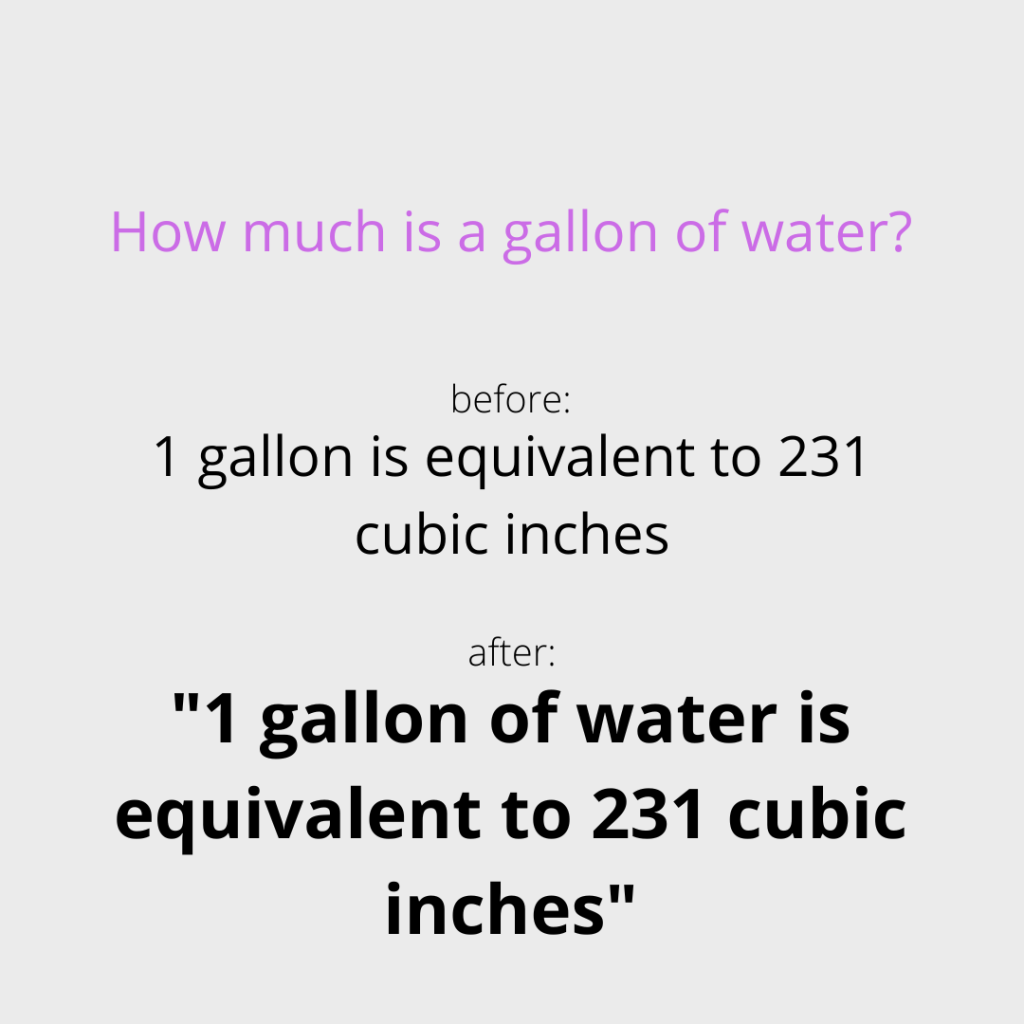
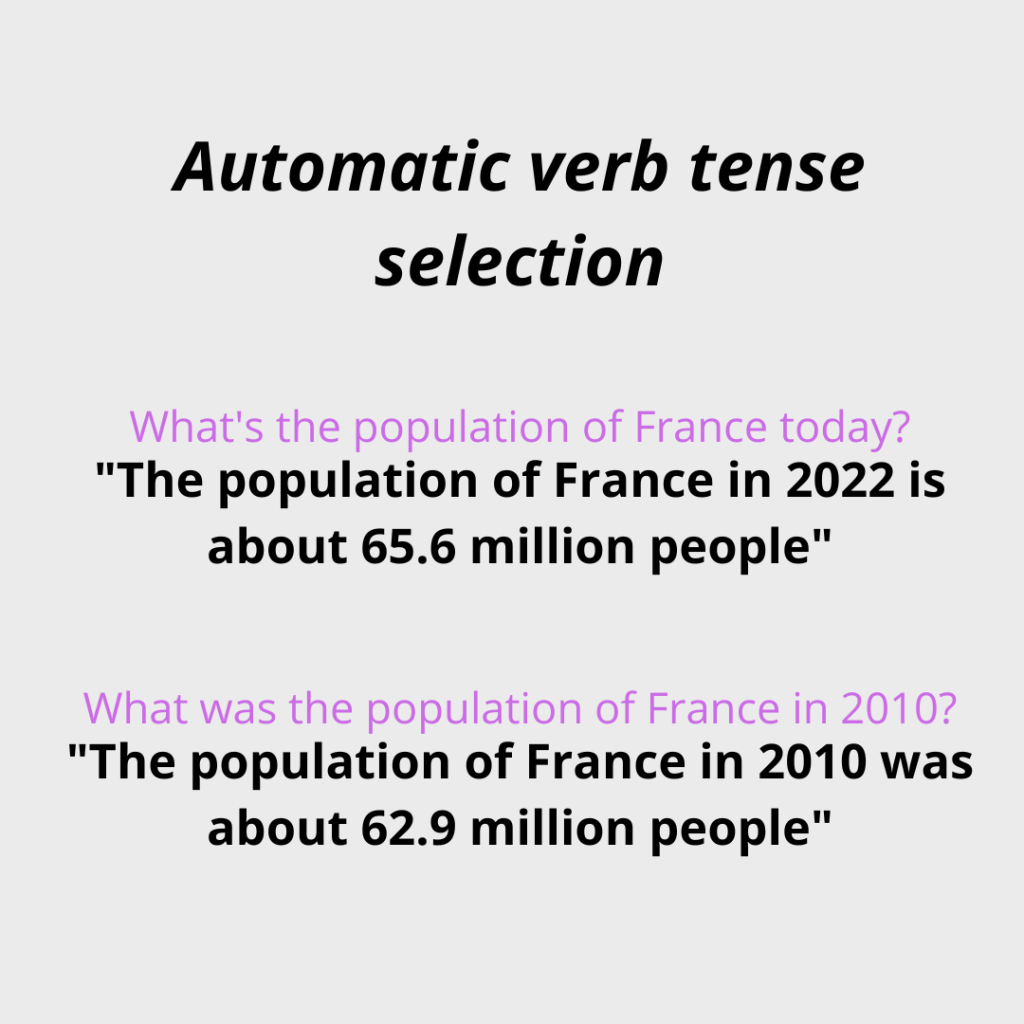
All of the grammatical rules that human beings employ intuitively in speech—things like article usage, verb tense, and plurality—need to be made explicit to Wolfram|Alpha. This can be challenging for even the simplest phrases. I developed systems for processing these complicated conditions automatically.

Increasing Flexibility
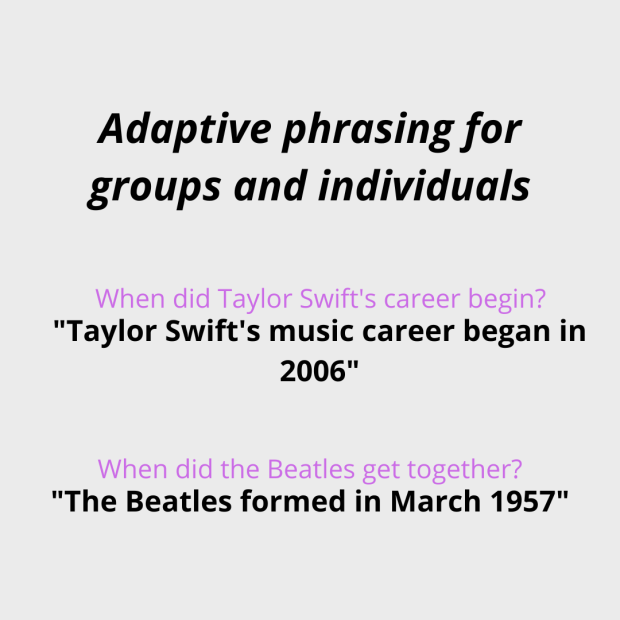
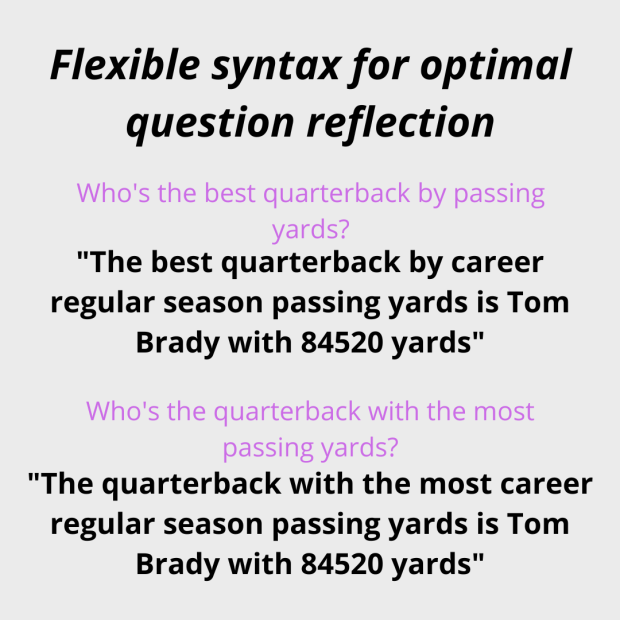
Wolfram|Alpha is known for its scientific accuracy, and the language we used often reflected this. However, because of the broad range of available topics, sometimes it’s beneficial to adjust our phrasing to sound more natural.
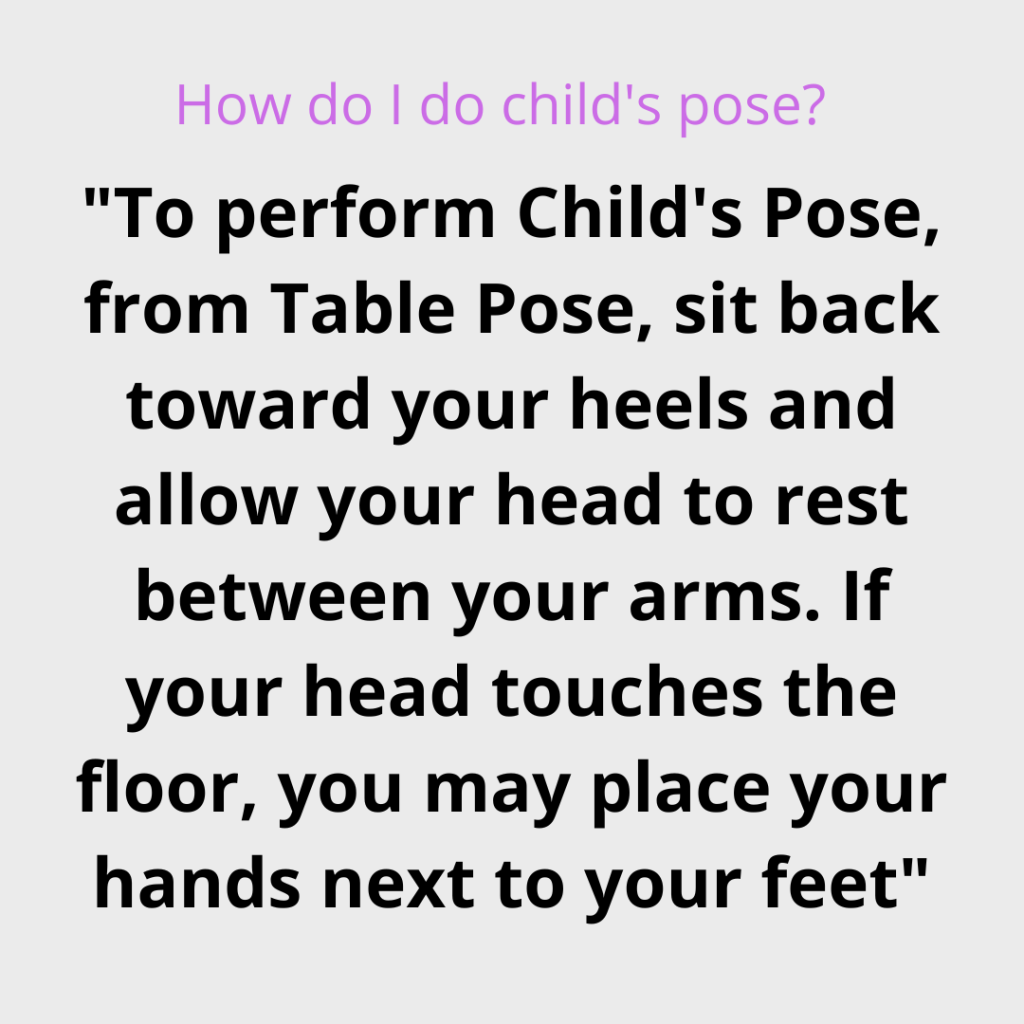
Through analysis of data logs, I found that for many domains, the style of user questions were almost always casual. I used these findings to successfully advocate for increased flexibility in phrasing. As a result, I was able to adjust the voice of results in key areas, including introducing second-person results for questions about yoga poses.


Documentation
Spoken Results Tutorials
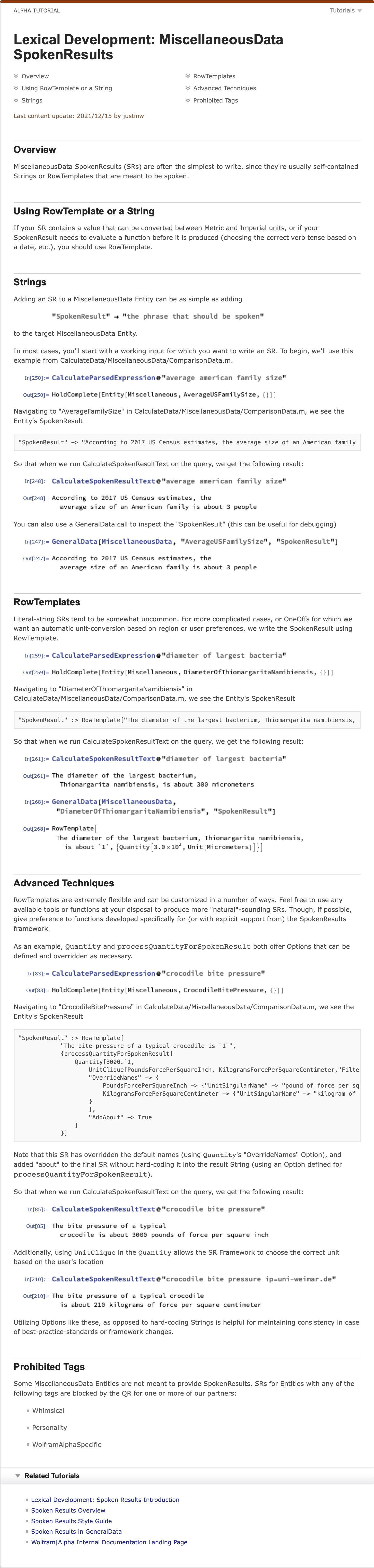
To support the continued success of Conversational Content, I created comprehensive documentation to guide developers, writers, and designers through the process of improving Conversational Content. Below is a sample of the documentation I wrote for Spoken Results at Wolfram|Alpha. I used these guides as supplements when I trained new writers and programmers and they serve as reference materials for more experienced developers.


 Justin Wilson